How to return to exercise after birth: walking and pelvic floor first, strength from about six weeks with clearance, running no earlier than 12 weeks.
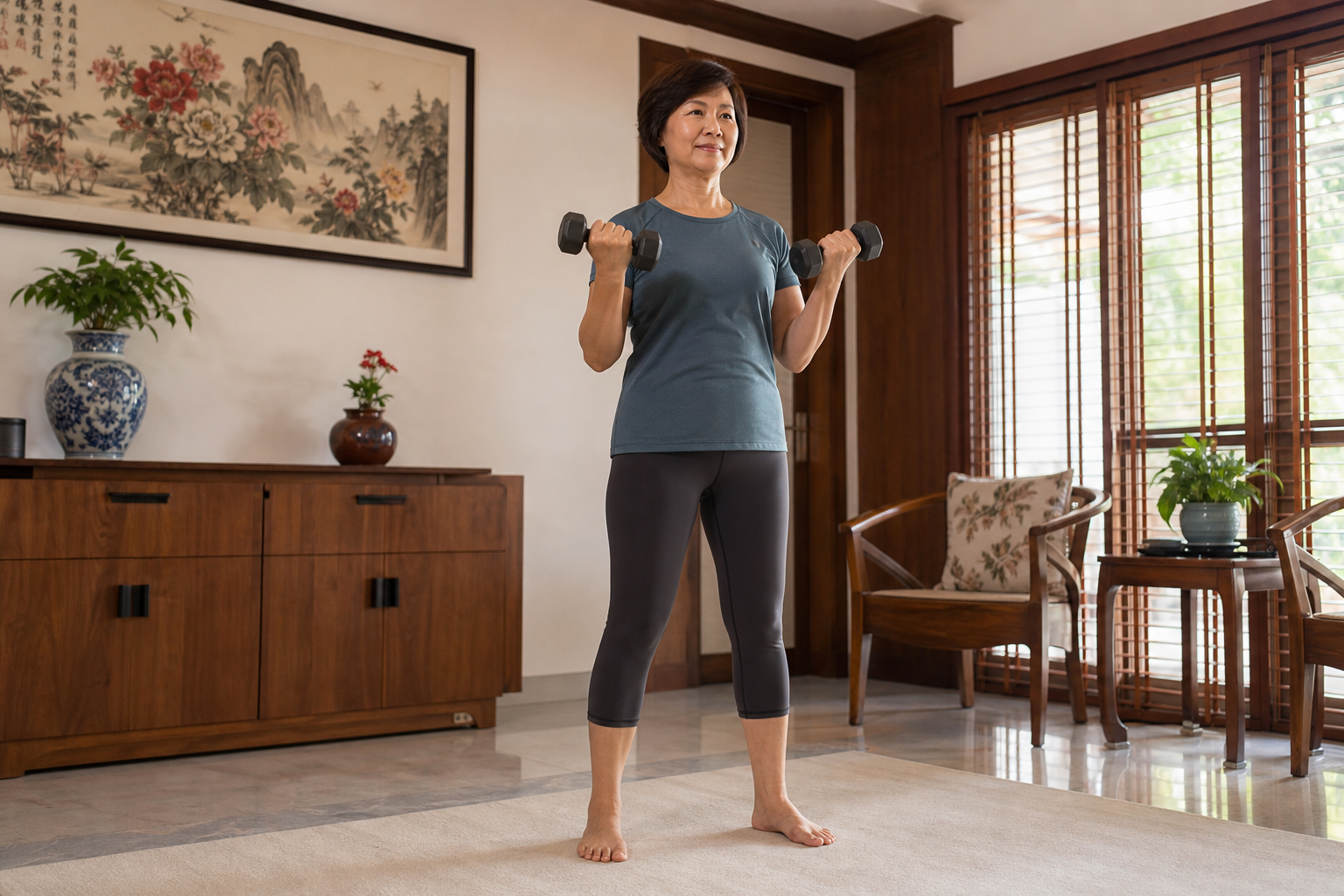
You can usually start walking, deep breathing and gentle pelvic floor exercises within days of an uncomplicated birth, build to light strength work after your postnatal check at about six weeks, and return to running no earlier than about 12 weeks. A caesarean, tearing or any complication means a slower, individually guided timeline. Rebuilding from the inside out protects you better than rushing back to your old routine.
What does the guidance say about exercise after birth?
The WHO 2020 physical activity guidelines recommend that postpartum women do at least 150 minutes of moderate-intensity aerobic activity a week, include muscle-strengthening work, and limit long periods of sitting. The American College of Obstetricians and Gynecologists says the same, and adds that women should be cleared by their obstetric provider and progress gradually.
Those are targets to build towards, not a prescription for week one. In the first weeks, 10 minutes of easy walking counts. The 150 minutes is something to reach over months.
A staged return to training
| Stage | Typical timing | What to do |
|---|---|---|
| 1. Reconnect | Days 1 to 6 weeks | Walking 5 to 20 minutes, diaphragmatic breathing, gentle pelvic floor contractions, posture and positions for feeding |
| 2. Rebuild | About 6 to 12 weeks, after your check | Glute bridges, bird-dog, dead bugs, sit-to-stand, light band rows, longer walks |
| 3. Load | From about 12 weeks | Progressive strength training twice a week, incline walking, cycling, then short run-walk intervals if cleared |
| 4. Return | 3 to 6 months or more | Full training, impact and higher intensity if symptom-free |
Timings move later after a caesarean, a third or fourth degree tear, heavy blood loss or a twin birth. Ask your doctor or midwife for your own clearance.
Stage 1: reconnect with the core and pelvic floor
Pregnancy and birth change how the deep abdominal muscles, diaphragm and pelvic floor share load. The first job is to get them working together again.
- Lie on your back with knees bent, or sit upright.
- Breathe in through the nose and let the ribs and belly widen.
- As you breathe out slowly, gently lift and close the pelvic floor, as if stopping wind and urine, and feel the lower belly draw in lightly.
- Relax fully on the next breath in. Do 8 to 10 breaths, three times a day.
You can also practise this while walking and feeding. The principles are covered in our guide to pelvic floor and core as you age. Easy walking is the best early cardio.
What about abdominal separation?
Many women have some widening of the gap between the abdominal muscles (diastasis recti) after birth. A 2014 systematic review in Physiotherapy found limited and low-quality evidence on exercise for it, and the gap often narrows on its own over the first months. What matters more than the width is whether you can generate tension through the midline when you move and breathe. If your belly domes or cones during a sit-up, leave crunches alone and use the low-load exercises above first. A women’s health physiotherapist can check and tailor this.
Stage 2 and 3: rebuild strength gradually
Once you have clearance, add exercises that train the whole body with the trunk working as a stabiliser:
- Glute bridge: 2 sets of 10, breathing out as you lift.
- Bird-dog: 2 sets of 6 per side, slow.
- Dead bug: 2 sets of 6 per side, ribs down.
- Sit-to-stand from a chair, and light band rows for the upper back that suffers from feeding and carrying.
Train twice a week on non-consecutive days. Add a repetition or a small amount of weight only when the last session felt easy and no symptoms followed. For general principles, see strength training for beginners over 40.
Returning to running
NHS physiotherapy guidance in the UK advises that most women should not run before about 12 weeks after birth, and only once they can manage a set of strength and impact-tolerance checks without symptoms, such as single-leg strength tests and low-level hopping. Many women need a longer wait. Start with a walk-run mix, such as 1 minute running and 2 minutes walking, and build slowly.
Malaysian context
Many Malaysian mothers observe a confinement period (pantang or postpartum rest) of around 40 days, with traditional practices at home. Rest is valuable, and gentle movement within it is compatible. Avoid tight binding that makes breathing hard or increases pressure downward on the pelvic floor. In the heat, exercise early morning or indoors, drink water, and remember breastfeeding increases fluid needs.
Be kind to yourself
Broken sleep and the demands of a newborn limit what is possible. Short sessions still help mood, as discussed in exercise for mood. If you are persistently low, anxious or cannot cope, speak to your doctor, because postnatal depression is common and treatable.
When to see a doctor or physiotherapist
- Heavy bleeding that increases, or bright red bleeding returning after exercise
- Leaking urine or stool, a bulge or heaviness in the vagina, or pelvic pain
- Pain in the calf, chest pain or breathlessness (seek urgent care)
- A wound that is red, swollen or discharging
- A visible ridge or doming along the midline that does not improve
- Persistent low mood
This is general education, not medical advice. If you would like gentle, supervised support, we run home-visit assessments across KL and Selangor.
Key takeaways
- Start with walking, breathing and pelvic floor work, then build strength after your postnatal check.
- Aim for 150 minutes of moderate activity weekly over months, as WHO suggests, not in week one.
- Wait at least about 12 weeks before running, and pass strength and impact checks first.
- Leaking, heaviness, doming or pain means slow down and see a women’s health physiotherapist.
- Progress by symptoms and function, not by the calendar.