Exercise raises HDL and lowers triglycerides, with modest effects on LDL. What to do each week, how statins fit in and what to expect in Malaysia.
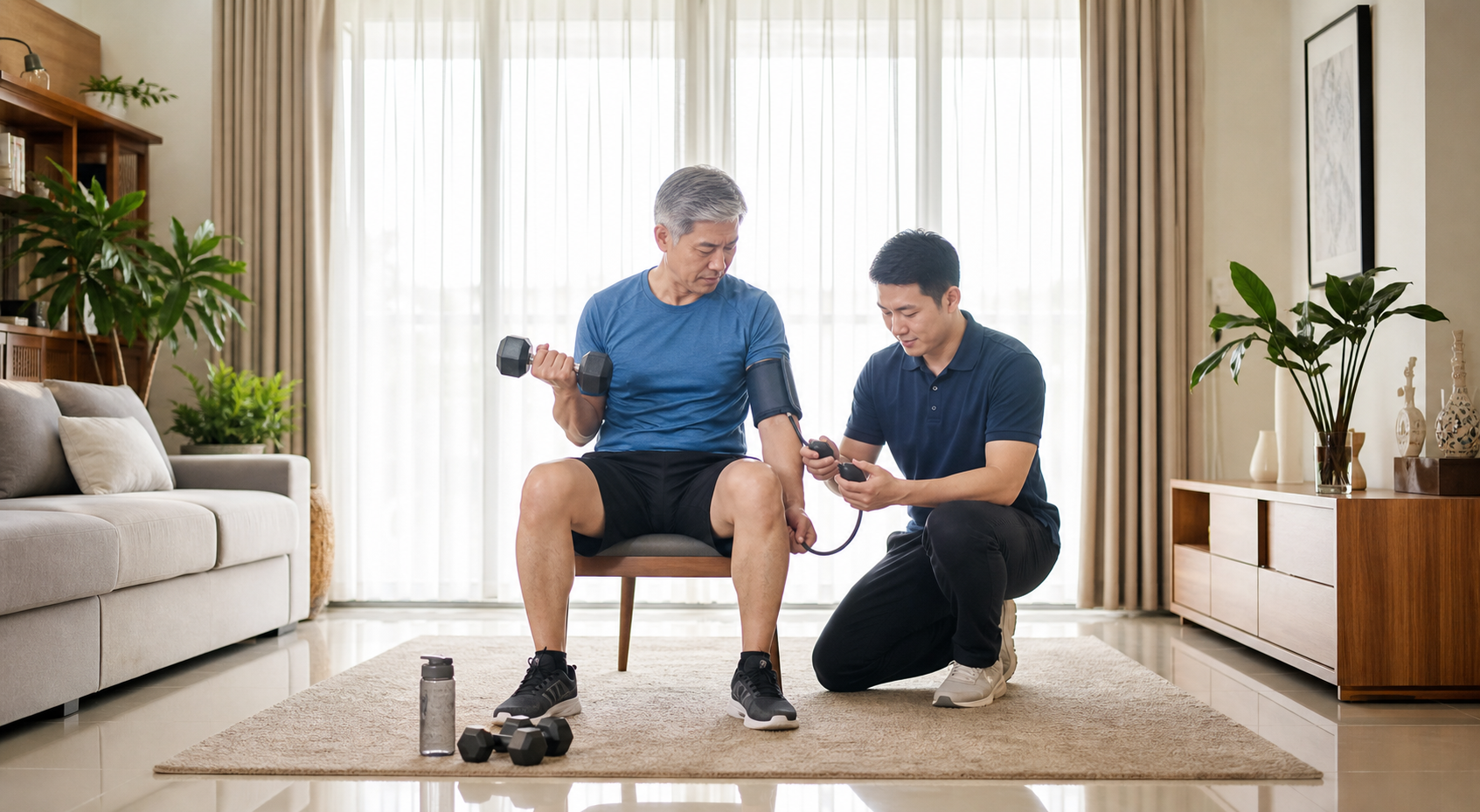
Exercise improves your cholesterol profile, but not equally across the board. It lowers triglycerides and raises HDL (good) cholesterol reliably, while its effect on LDL (bad) cholesterol is smaller. Aim for about 150 minutes of moderate aerobic activity a week plus two strength sessions, and treat it as one part of a plan that includes diet and, where needed, medication.
How common is high cholesterol in Malaysia?
Common, and often unknown. The 2023 National Health and Morbidity Survey found hypercholesterolaemia in 33.3% of Malaysian adults, and a higher proportion of younger adults with raised cholesterol were undiagnosed. High LDL cholesterol is a major driver of heart attack and stroke, which remain leading causes of death in Malaysia. The Malaysian dyslipidaemia guideline (6th edition, 2023) bases treatment decisions on your overall cardiovascular risk, not on one number.
What does exercise do to each type of blood fat?
| Blood fat | Effect of regular exercise | Comment |
|---|---|---|
| HDL (“good”) | Rises modestly | A meta-analysis found about +2.5 mg/dL on average, at 120 min a week or more |
| Triglycerides | Falls | Usually the clearest benefit, along with less sugar and alcohol |
| LDL (“bad”) | Small fall, variable | Diet, weight loss and medication usually move LDL more |
| Non-HDL and overall risk | Improves with combined training | Larger meta-analysis favours aerobic plus resistance |
These are average effects across trials and individuals vary. A 2025 meta-analysis of 148 randomised trials (8,673 participants) concluded that combined aerobic and resistance training was the optimal approach for managing dyslipidaemia. The Kodama meta-analysis found that the minimum weekly volume for raising HDL was about 120 minutes of exercise, with larger gains for longer sessions.
Exercise also improves things that cholesterol numbers do not capture: blood pressure, blood sugar, belly fat and fitness. These matter just as much for heart risk.
What should I do each week?
- Aerobic exercise, 150 minutes or more. Brisk walking, cycling or swimming at a pace where you can talk but not sing. Build a base with Zone 2 cardio.
- Strength training, 2 days. 2 to 3 sets of 8 to 12 repetitions of squat, hinge, push and pull. See strength training for longevity.
- Walk after meals. Ten to 15 minutes after the biggest meal helps triglycerides and blood sugar.
- Consistency over intensity. A routine you keep for months beats a hard plan abandoned in three weeks.
A realistic start: begin with 20 to 30 minutes of brisk walking on 4 to 5 days, add two short strength sessions after 2 weeks and extend to 150 minutes within 6 to 8 weeks. See our guide to walking for longevity.
What else lowers LDL?
Exercise works best alongside the other levers. Diet changes that tend to lower LDL include:
- Reducing saturated fat: less fatty meat, coconut milk (santan) in heavy curries, fried foods, ghee and processed meats.
- Avoiding trans fats from some baked goods and margarines.
- Adding soluble fibre: oats, beans, lentils, fruit and vegetables. See fibre and gut health in ageing.
- Choosing fish, nuts and unsaturated oils.
- Losing weight if needed.
For practical ideas, see nutrition for longevity, Malaysian foods for longevity and exercise for weight loss that lasts. Genetics also matter. Some people have familial hypercholesterolaemia, where LDL stays very high regardless of lifestyle. If your LDL is very high or heart disease runs in your family at a young age, ask your doctor about it.
Statins, medication and exercise
If your doctor has prescribed a statin or other lipid-lowering drug, keep taking it. Exercise and medication work through different routes and add together. Statins are safe to exercise on for most people. Mild aches can occur, but get advice promptly if you have severe muscle pain, marked weakness, dark urine or feel generally unwell after exercise. Our guide to exercise on common medications covers more detail.
Tracking progress
- Ask for a fasting lipid profile (total, LDL, HDL, triglycerides) before you start and again after about 3 months.
- Track waist, blood pressure and fasting glucose. See health screening and blood tests in Malaysia and longevity biomarkers to track.
- Note changes in fitness, such as how long a brisk walk takes or how stairs feel.
Safety and when to see a doctor
This is general fitness education, not medical advice. Cholesterol management is a medical matter. Get clearance before starting vigorous exercise if you have known heart disease, symptoms, diabetes, very high blood pressure, or are over 40 and inactive. See when to get medical clearance before exercise.
Stop and seek urgent care for chest pain or pressure, pain spreading to the arm or jaw, fainting, or severe breathlessness. See also exercise and heart disease.
A sample week
| Day | Session |
|---|---|
| Mon | Brisk walk, 30 to 40 min |
| Tue | Strength, 30 to 40 min |
| Wed | Cycle or swim, 30 to 40 min |
| Thu | Strength, 30 to 40 min |
| Fri | Brisk walk, 30 to 40 min |
| Sat | Longer easy activity, 45 to 60 min |
| Sun | Rest or gentle walk |
Common mistakes
- Expecting exercise alone to fix a very high LDL. If your LDL is far above target, medication is often needed in addition.
- Treating HDL as a target on its own. Raising HDL with exercise is useful, but the benefit comes from the whole risk profile.
- Skipping the blood test. Without a repeat lipid profile you cannot tell what is working.
- Stopping a statin after a good result. A good result usually reflects the treatment working.
- Replacing saturated fat with refined carbohydrates, such as extra white rice or sweet drinks, which can raise triglycerides.
Understanding your result
A lipid profile usually lists total cholesterol, LDL, HDL and triglycerides. The Malaysian guideline sets LDL targets according to your overall cardiovascular risk. People with diabetes, kidney disease or existing heart disease usually have stricter targets than low-risk people. Because targets differ, do not compare your number with a friend’s. Ask your doctor to explain your category and your goal.
Practical tips for the blood test:
- Ask whether you need to fast, as some doctors now accept non-fasting samples for cholesterol.
- Avoid unusually heavy exercise and alcohol in the 24 hours beforehand if triglycerides are being checked.
- Repeat on a similar basis each time so that results are comparable.
Why the other numbers matter too
Exercise improves blood pressure, blood sugar, belly fat and fitness, which also drive heart risk. That is why a 3 month check should include your waist, blood pressure and HbA1c as well as lipids. See HbA1c explained and longevity metrics and testing.
Key takeaways
- Exercise raises HDL, lowers triglycerides and has a smaller effect on LDL. Diet and medication often matter more for LDL.
- Combined aerobic and strength training looks best. Aim for 150 minutes of aerobic activity plus two strength sessions weekly.
- Give it about 3 months, then recheck a fasting lipid profile with your doctor.
- Keep taking prescribed medication, and discuss any change with your doctor.
We build a training programme around your numbers and coordinate with your care, by home visit across KL and Selangor. For the broader approach, see exercising safely with a chronic condition.